

Cultural perspectives on gambling How traditions influence betting behavior
The Role of Cultural Heritage in Gambling
Cultural heritage plays a significant role in shaping attitudes and behaviors towards gambling across different societies. In many cultures, gambling has deep historical roots, often tied to rituals, celebrations, and community gatherings. For instance, in some indigenous communities, traditional games of chance are integral to cultural identity and social cohesion, often used to reinforce community bonds and foster unity. Additionally, if you’re looking for more options, consider exploring a non gamstop casino for diverse gaming experiences.

The symbolic significance of gambling can vary widely. In some cultures, it is seen as a test of luck and fate, while in others, it may be perceived as a means to gain financial prosperity. These differing perceptions influence how individuals engage with gambling, impacting their willingness to participate and the types of games they prefer.
Religious Perspectives on Gambling
Religious beliefs can significantly influence gambling behaviors and perceptions. In cultures where religion plays a central role, such as in many Islamic societies, gambling is often prohibited due to its association with greed and the potential for harm. This religious perspective creates a societal stigma around gambling, which can deter participation and shape behaviors accordingly.
Conversely, in cultures with more lenient religious views on gambling, such as in certain Christian traditions, gambling may be seen as acceptable entertainment. This acceptance can encourage participation in various betting activities, from casual games to organized events, reflecting a more integrated view of gambling within social norms.
Social Norms and Community Influences
Social norms greatly impact how individuals perceive and engage in gambling. In communities where gambling is widely accepted and celebrated, there tends to be a higher prevalence of betting behavior. Events like local fairs or sporting events often include gambling elements, reinforcing the social acceptance of these activities and encouraging participation among community members.
On the other hand, in conservative communities where gambling is frowned upon, individuals may feel pressured to conform to social expectations, leading to a decrease in participation. This dynamic showcases how community values and collective attitudes shape individual behaviors regarding gambling, often reflecting a broader societal consensus.
Modern Influences and Globalization
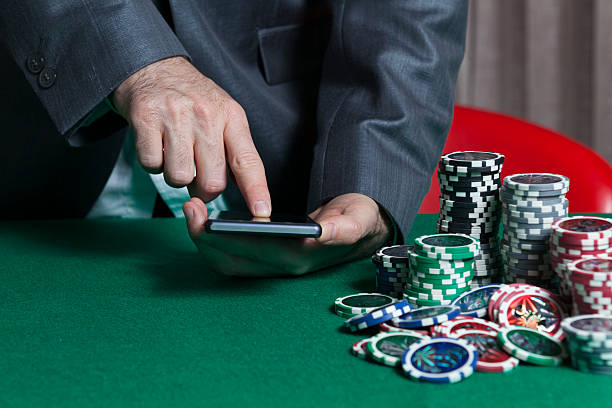
The advent of technology and globalization has significantly altered traditional gambling behaviors. Online platforms have made gambling accessible to a broader audience, transcending geographical boundaries and cultural differences. This shift has introduced new forms of betting that blend traditional practices with modern technology, creating hybrid cultural experiences.
As globalization continues to spread, cultural exchanges around gambling become more prevalent. Individuals are exposed to diverse betting traditions and practices, leading to a re-evaluation of their own beliefs and behaviors. This interplay between traditional and modern influences can lead to a richer, albeit complex, understanding of gambling in a global context.
Exploring Gambling Options in Today’s Market
As the gambling landscape evolves, various options have emerged for enthusiasts seeking a diverse gaming experience. From traditional casinos to online platforms, players are encouraged to explore the wide array of choices available. Many websites provide insights and evaluations of various gambling venues, helping users navigate their preferences.
In a world where traditions and modern influences coexist, understanding the cultural perspectives on gambling can enhance the experience for players. Whether through engaging with local customs or exploring international platforms, individuals can find a gaming experience that resonates with their cultural values while enjoying the thrill of play.
